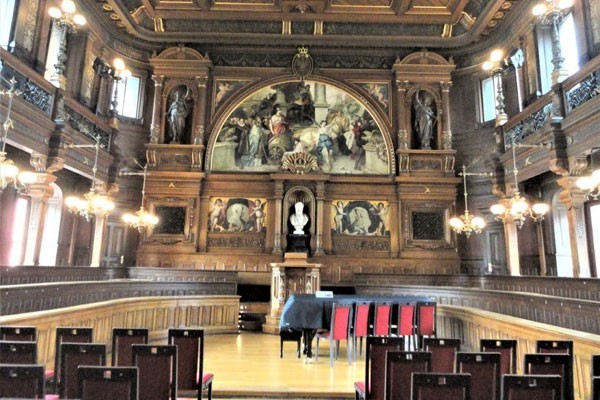
Studying in Germany for free is no longer just a dream or a misleading claim. It is a real opportunity offered by one of the strongest education systems in the world. Germany remains one of the very few countries that provides tuition-free higher education for both domestic and international students, including students from the United States, Asia, Africa, and the Middle East.
In this guide, you will learn everything about studying in Germany for free, including admission requirements, costs of living, language requirements, and how competitive German universities are.
Is Studying in Germany Really Free?
Yes — but with conditions.
Most public universities in Germany do not charge tuition fees for undergraduate and many postgraduate programs. Instead, students only pay a small semester contribution known as Semesterbeitrag.
Average costs include:
- Semester contribution: €250 – €750 per semester
- Administrative fees
- Public transportation ticket (in many regions included)
This makes Germany one of the most affordable destinations for international higher education in Europe.
Important keyword targets:
- study in Germany for free
- free tuition universities in Germany
- tuition-free education Germany international students
Why Germany Offers Free University Education
Germany treats education as a public investment rather than a commercial product.
The German education system is designed to:
- Support economic development
- Produce highly skilled graduates
- Strengthen research and innovation
- Ensure equal access to education
Because of this philosophy, German public universities receive strong government funding, allowing them to eliminate tuition fees.
Germany is especially strong in:
- Engineering
- Computer Science
- Physics and Chemistry
- Industrial Technology
- Business and Economics
Top Benefits of Studying in Germany
Studying in Germany offers more than just free tuition. It provides long-term academic and career advantages.
1. No Tuition Fees
International students study without paying expensive annual tuition fees like in the US or UK.
2. Globally Recognized Degrees
German degrees are respected worldwide and highly valued by employers.
3. Strong Job Market Opportunities
Germany has one of the strongest economies in Europe, offering excellent employment opportunities after graduation.
4. Research-Based Education
German universities focus heavily on research, innovation, and practical application.
5. High Academic Standards
Students graduate with strong analytical and technical skills.
Admission Requirements for International Students
Admission into German universities is competitive and requires strong academic preparation.
Common requirements include:
- High school diploma equivalent to German Abitur
- Strong academic transcripts
- AP or IB qualifications (preferred for international students)
- University entrance qualification (Studienkolleg in some cases)
For postgraduate programs:
- Bachelor’s degree in a relevant field
- Strong GPA
- English or German language proof
Do You Need to Speak German?
It depends on the program.
German-taught programs:
Most undergraduate degrees are taught in German. In this case, students need:
- C1 level German proficiency
- TestDaF or DSH certification
English-taught programs:
Available mostly at master’s level, especially in:
- Engineering
- Business
- Computer Science
However, English programs are limited and highly competitive.
Cost of Living in Germany for International Students
Even though tuition is free, students must budget for living expenses.
Average monthly cost:
- Rent and accommodation: €300 – €600
- Food: €200 – €300
- Transport: €50 – €100
- Personal expenses: €100 – €200
Total yearly cost:
Approximately €11,000 – €13,000
Students must also show financial proof (blocked account) for visa approval.
How Competitive Are German Universities?
German universities are not always as selective as Ivy League or Top US universities, but they are academically demanding.
Key characteristics:
- Heavy focus on independent study
- Strict final exams
- Less classroom guidance
- High failure rate for unprepared students
This means admission may be easier than elite US universities, but success requires discipline and consistency.
Advantages vs Disadvantages of Studying in Germany
Advantages:
- Tuition-free education
- High-quality academic system
- Strong engineering and STEM focus
- International career opportunities
- Affordable compared to US/UK
Disadvantages:
- Language barrier
- Limited student support
- High academic pressure
- Less flexibility in changing majors
German Education System vs United States
The German system is very different from the US model.
Germany:
- Specialization from day one
- Independent learning
- Final exam-based evaluation
United States:
- Flexible curriculum
- Continuous assessment
- Strong campus life and support
Germany is better suited for focused, self-driven students.
Who Should Study in Germany?
Studying in Germany is ideal for students who:
- Want affordable or free education
- Can handle academic pressure
- Are willing to learn German
- Prefer research-focused education
- Want strong career opportunities in Europe
It may not be suitable for students who need structured guidance or frequent academic support.
Frequently Asked Questions (FAQ)
Is university free in Germany for international students?
Yes. Public universities in Germany do not charge tuition fees for most programs.
Can I study in Germany in English?
Yes, but mostly at the master’s level. Undergraduate programs are mostly in German.
Do I need SAT to study in Germany?
SAT practice test not always required, but strong academic performance and AP/IB subjects help your application.
How much money do I need to study in Germany?
You need around €11,000–€13,000 per year for living costs.
Studying in Germany for free is one of the most valuable opportunities for international students in 2026. It combines high-quality education, global recognition, and zero tuition fees.
However, success depends on preparation. Students must be academically strong, disciplined, and willing to adapt to a structured and demanding system.
If you are looking for a cost-effective path to a world-class degree, Germany remains one of the strongest choices available today.